Buyers looking beyond the established Asian sourcing bases usually arrive in East Africa for one of three reasons: tariff exposure, lead time, or a supply chain story their customers will actually believe. Tanzania answers all three, with some caveats worth stating up front.
AGOA and duty-free access to the United States
The African Growth and Opportunity Act gives eligible sub-Saharan African countries duty-free access to the US market across thousands of product lines, apparel very much included. Tanzania is an eligible beneficiary. For a garment importer, the difference between paying the standard apparel duty and paying nothing is not a rounding error — on cotton knitwear it is a meaningful share of landed cost.
The practical requirement is documentation and rules of origin. Getting this right is not difficult but it is not automatic, and it is far easier to build into a programme from the start than to retrofit once goods are made. If US import is your route, raise it in your first conversation with us rather than your last.
Cotton grown here
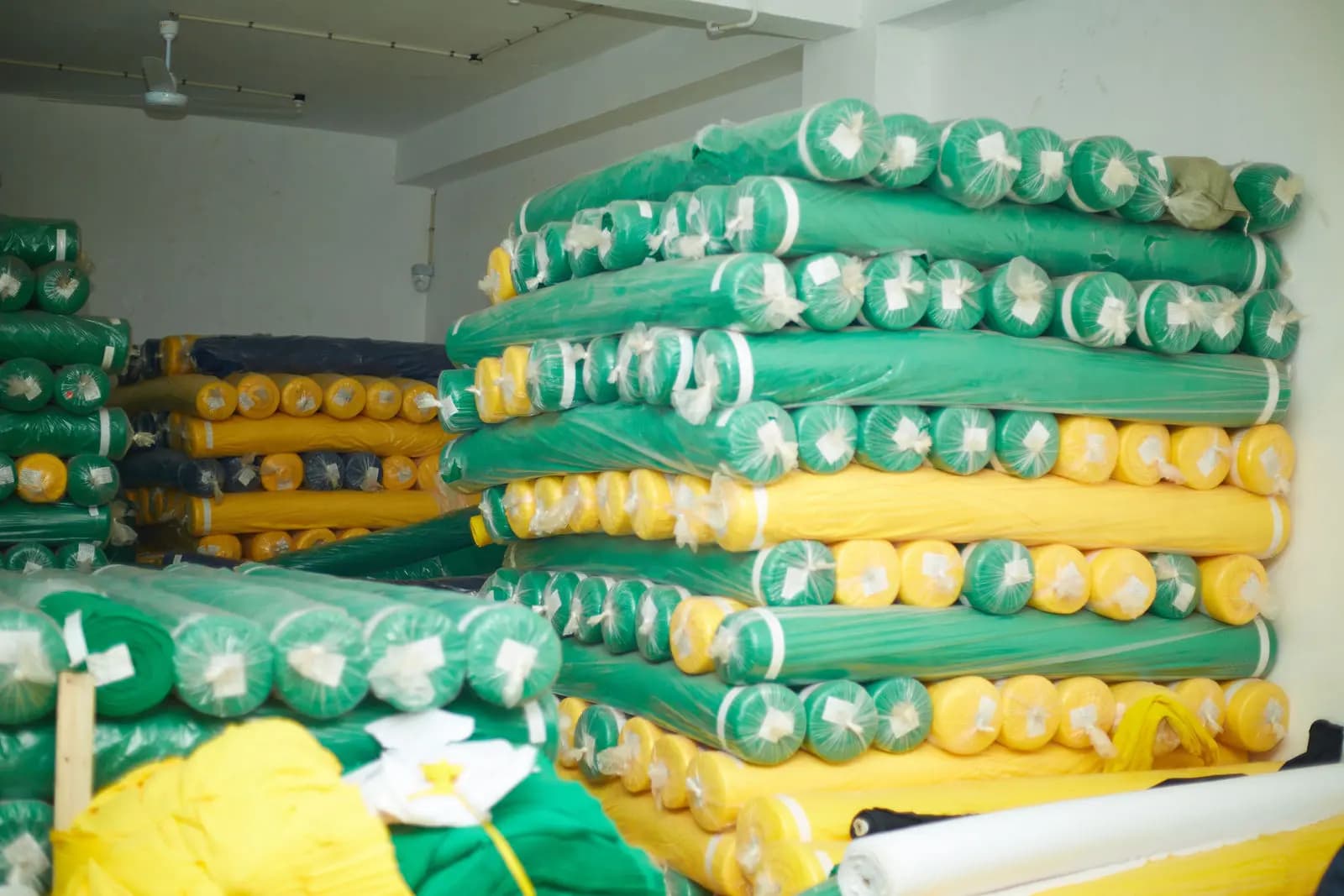
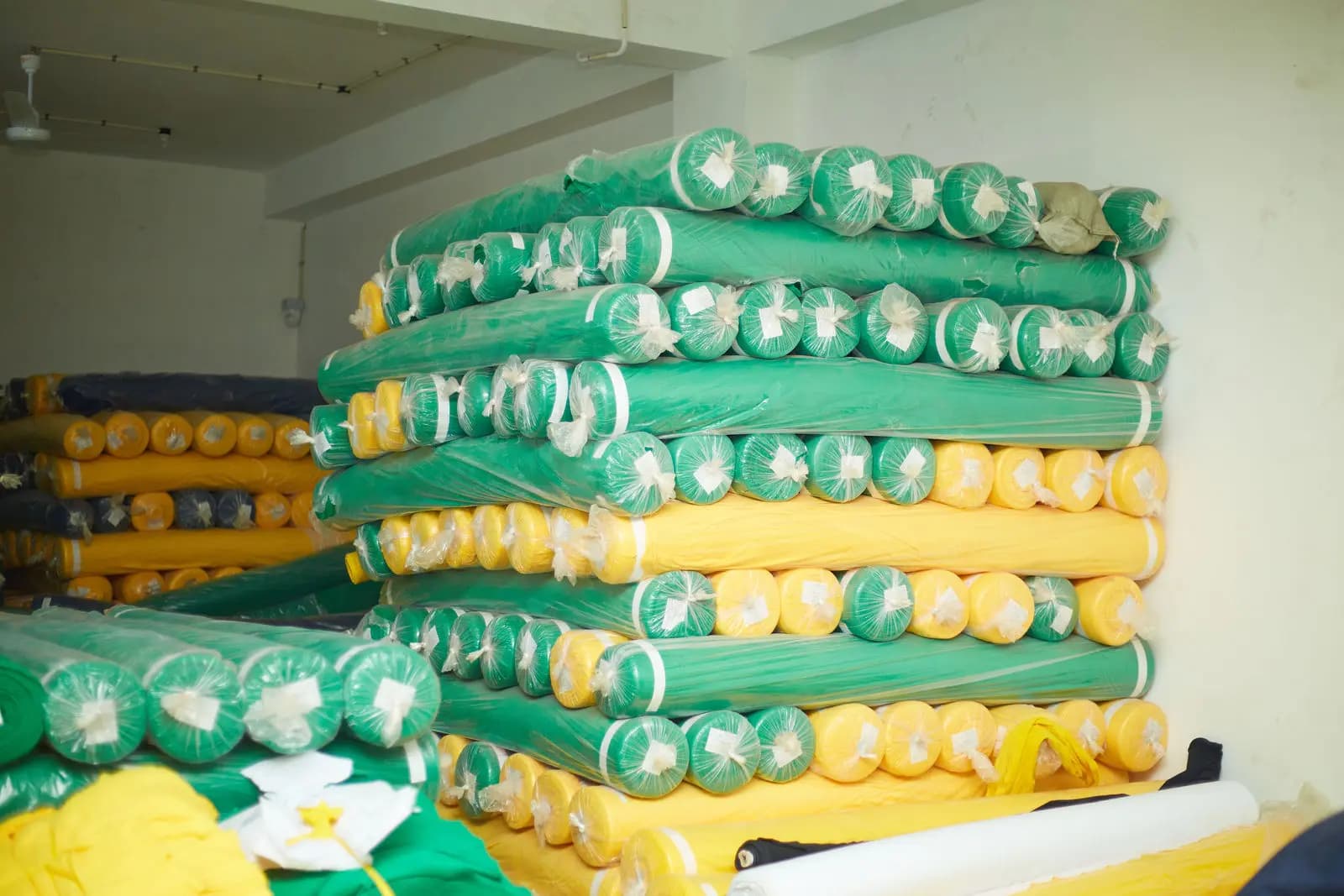
Tanzania is one of Africa's significant cotton producers. That matters in two ways. Sourcing locally shortens the input chain and shortens lead times, and for brands making claims about their supply chain, a garment whose cotton, knitting, cutting and sewing all happened within one country is a far simpler story to tell — and to verify.
We source locally wherever the specification allows and import where it genuinely requires it, and we tell you which is which, because a buyer making origin claims needs to know.
Lead time and proximity
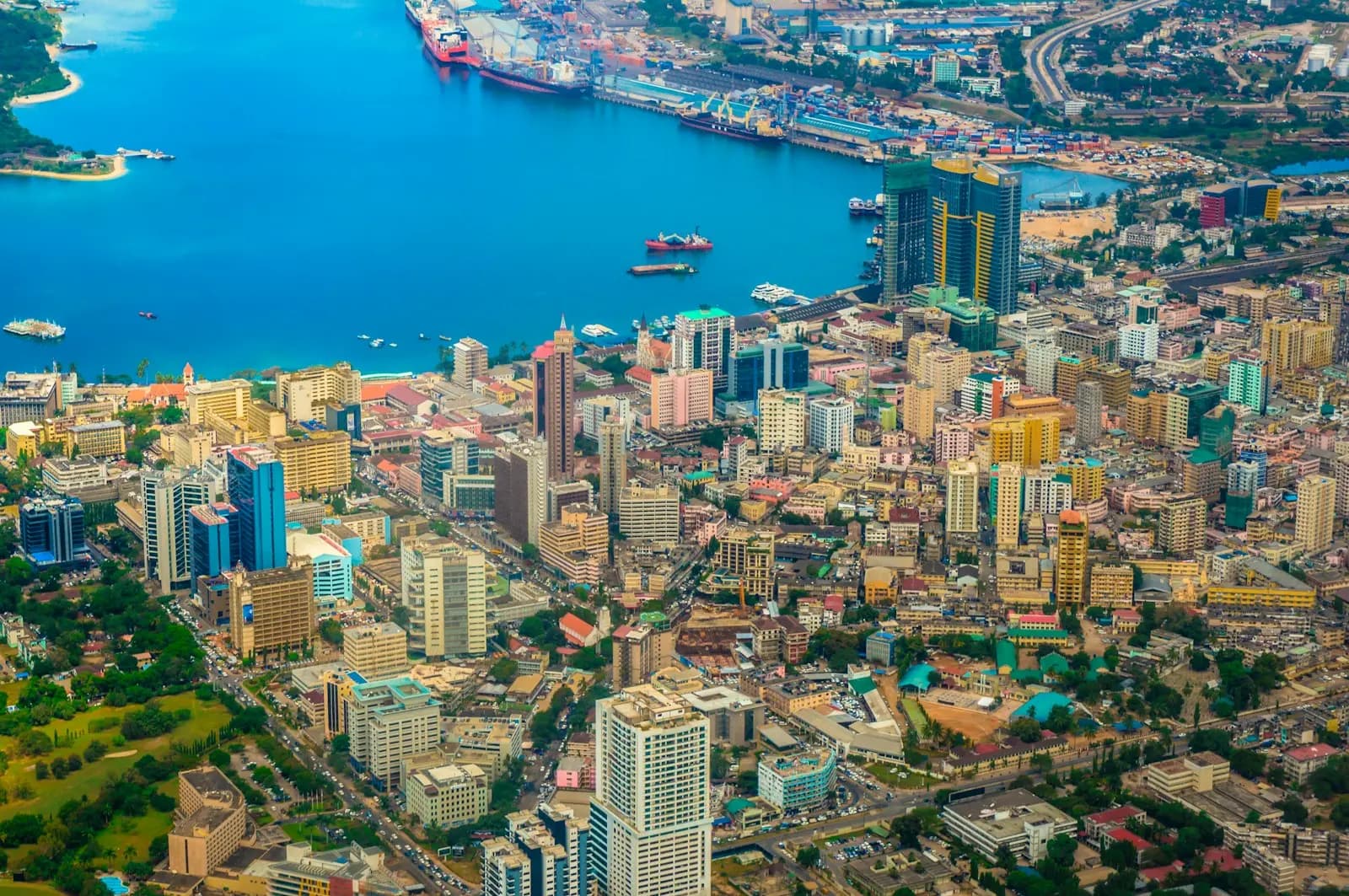
Dar es Salaam is a major Indian Ocean port. Sea freight to Europe is materially shorter than from East Asia, and air freight via DHL or FedEx is straightforward for samples and urgent top-ups.
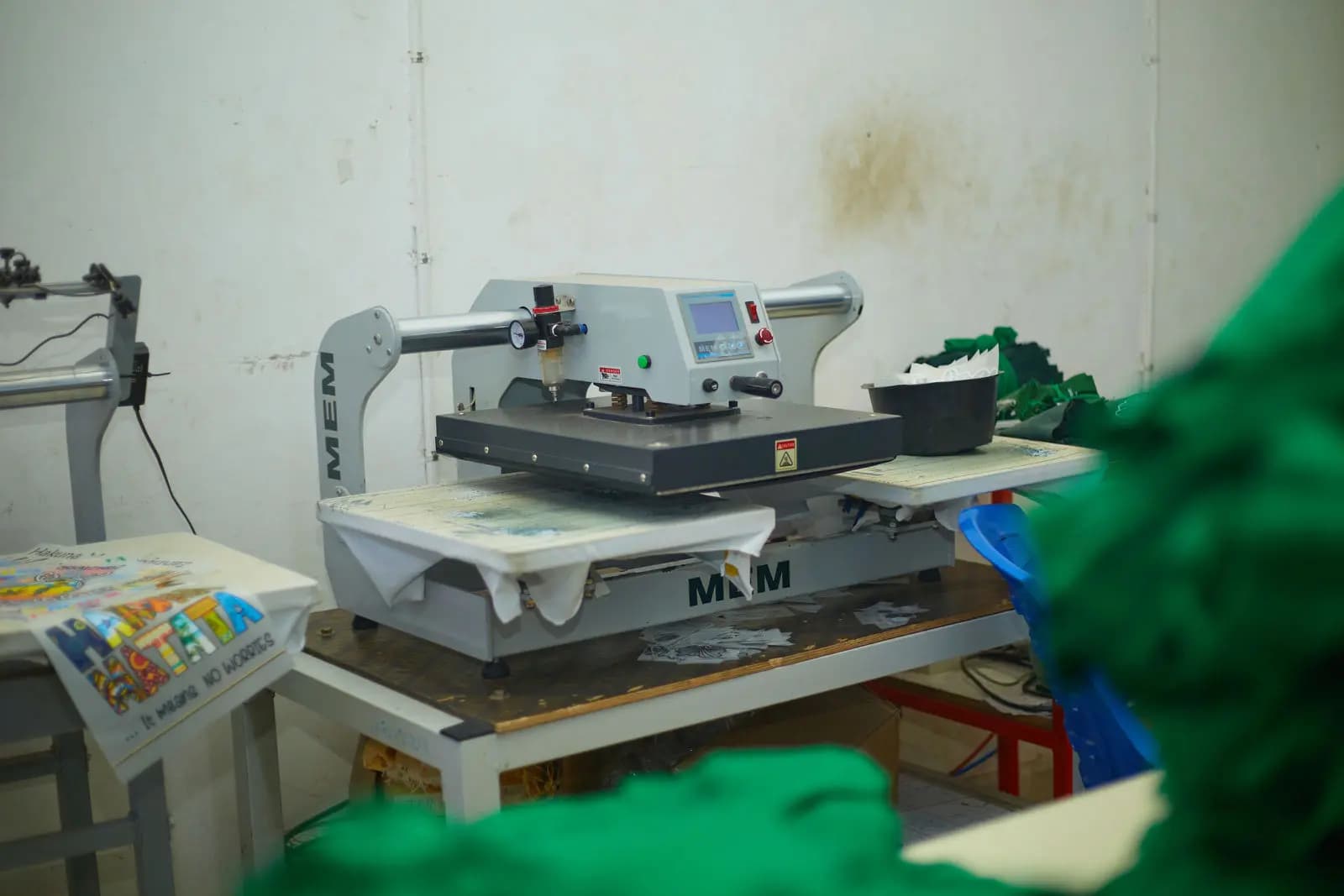
The more useful advantage is factory-side. On a knitted fabric and colour we already hold, an order can leave in two to three days, because sourcing, cutting, sewing, printing and embroidery all happen in one building with no third-party decorator in the middle. For a buyer, short production lead times mean smaller commitments, later colour decisions and less inventory risk.
The advantage is not only that the port is closer. It is that the print room is thirty metres from the sewing line.
The honest caveats
- Scale. East African factories are generally smaller than their Asian equivalents. If you need a hundred thousand units of one style next month, be direct about it early so we can tell you honestly whether it fits.
- Specialised fabric. Basic cotton jersey, pique and drill are well served locally. Technical performance knits and specialised finishes will usually be imported, with the cost and lead time that implies.
- Trims. Some trims and specialised components are imported. Factor this into first-order timelines.
How to structure a first order
- 01Send a tech pack, or a sketch plus a reference garment. Either is enough for us to quote.
- 02Confirm whether you are importing to the US, so AGOA documentation is built in from the start.
- 03Take a sample. We charge for it and deduct the fee from your order. Wash it several times before approving.
- 04Place a first production run at a size you are comfortable with rather than the size you eventually want. On a fabric we already hold there is no meaningful quantity barrier; a fabric sourced specially for you starts at 2,000 pieces.
- 05Confirm labelling, packing and carton requirements before bulk, not after.
If you are evaluating East African suppliers, come and see the floor. We are at 104 Sandali Street off Nelson Mandela Road in Dar es Salaam, and a factory visit tells you more in an hour than a quotation will in a month.
Put this into practice
We can quote your run this week.
Swahili Knits manufactures in Dar es Salaam — sourcing, cutting, sewing, printing and embroidery under one roof, with a seven day production lead time from an approved sample.