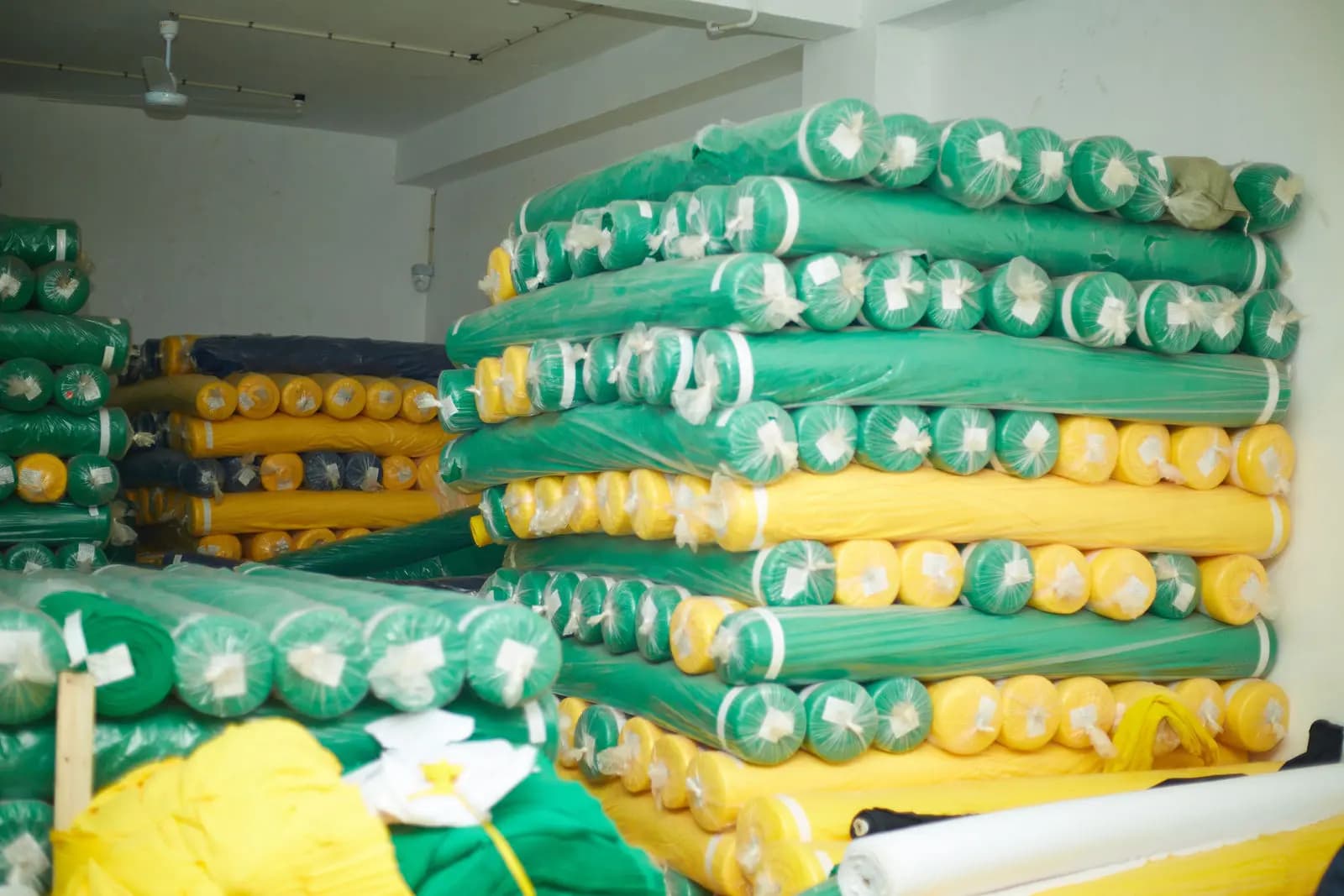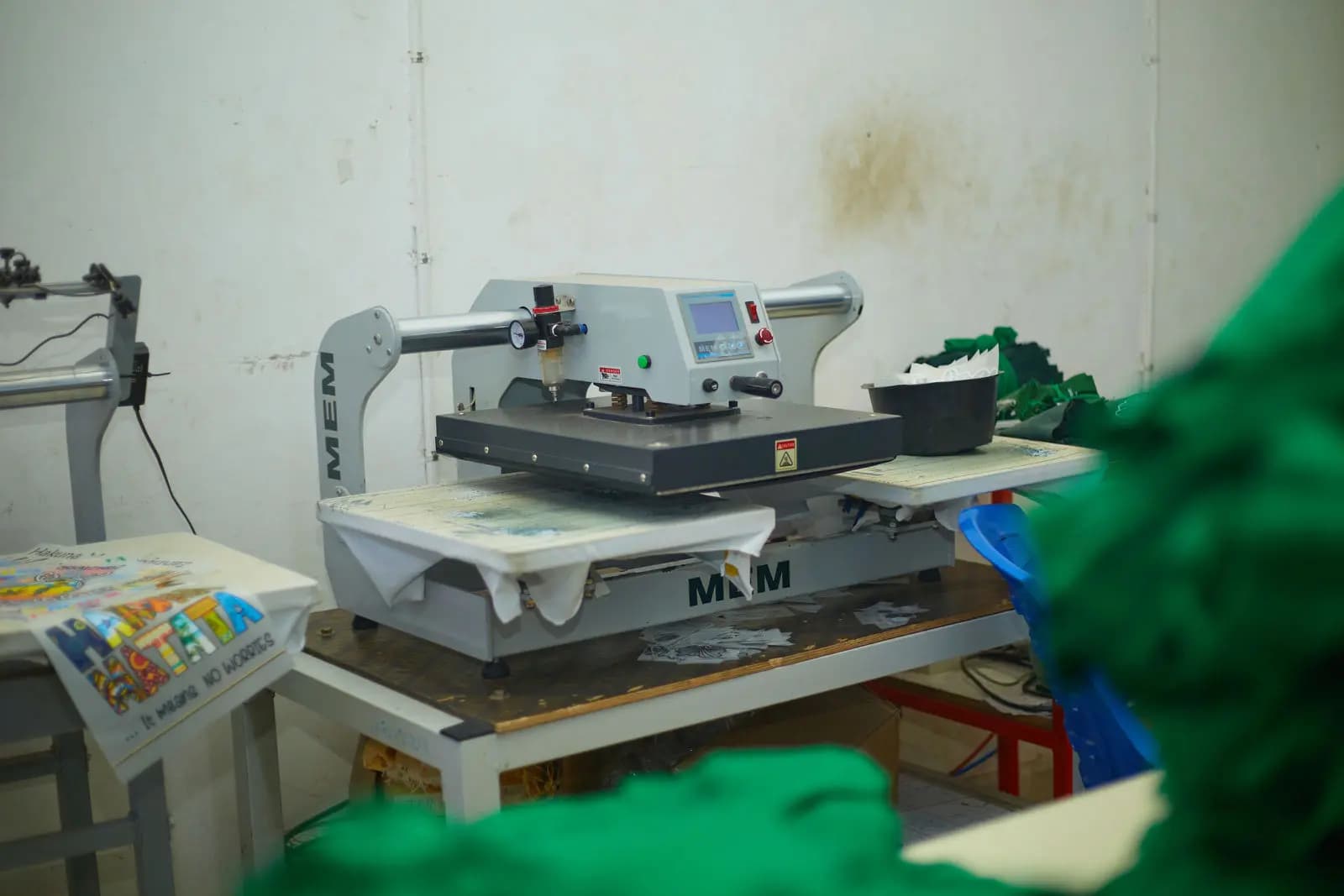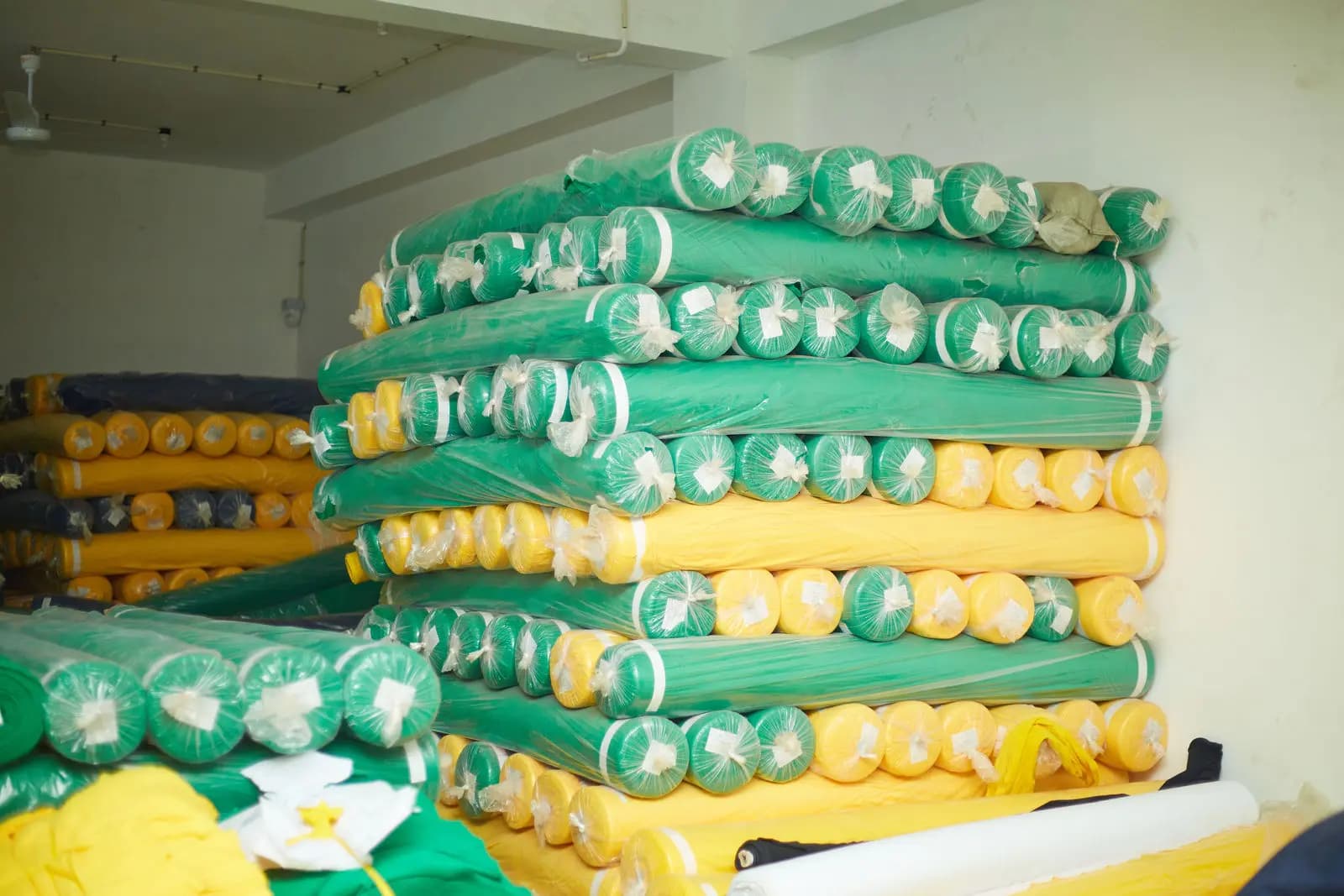
Every enquiry we receive eventually reaches the same question, usually phrased apologetically: what is your minimum? The honest answer is that there is not one number, and anybody who gives you one without asking what you want made is guessing. What the minimum depends on is whether we are cutting into fabric already on our shelf or sourcing new fabric for your job.
Our actual minimums
| Ordering route | Minimum | Lead time |
|---|---|---|
| Stock fabric, stock colour | Low — we manufacture to stock | 2 – 3 days |
| Custom design on stock fabric | Low | 7 – 10 days |
| Custom fabric or colour sourced for you | 2,000 pieces | Quoted per job |
| Sublimation | No minimum | Quoted per job |
Where the 2,000 comes from
Only one route carries a real barrier, and it is the one where we source fabric specially for you. Three costs there are fixed regardless of how many garments you order.
1. Dyeing
Fabric is dyed in a batch. A dye lot has a minimum viable size — below it, the same amount of water, dye, energy and machine time is consumed to produce a fraction of the fabric. Dye a small lot and the cost per metre climbs steeply. Dye two small lots of the same colour on different days and they will not match, which is worse.
2. Setup
Patterns are graded, a marker is made, fabric is laid, screens are burned and the sewing line is set up for the style. That work costs the same for 50 shirts as it does for 5,000. Spread across 50 units it dominates the price. Across a few hundred it becomes reasonable, which is why the barrier disappears entirely once we are cutting fabric we already hold.
3. Line time
Changing a sewing line over to a new style costs productive hours. A factory running many tiny orders spends more time changing over than sewing, and that inefficiency lands in someone's price.
A minimum is not the point at which we start making money. It is the point at which the price stops being absurd — and it only exists where we are buying fabric on your behalf.
How to get a smaller run made
- 01Order from stock fabric. Where we already hold the fabric and the colour, the dyeing cost is already absorbed and the quantity barrier all but disappears. Ask us what is currently on the shelf.
- 02Use one fabric across several designs. The 2,000 figure is a fabric-and-colour minimum, not a design minimum. Six designs of 350 units each on the same base fabric is a single fabric lot and one production run.
- 03Consolidate colourways. Two custom colours at 1,000 each is two dye lots. One colour at 2,000 is one. If the brief allows a single base colour, take it.
- 04Split delivery, not production. Produce the full run, take delivery in phases. You get the unit price of the larger order without warehousing all of it at once.
- 05Combine garment types across one programme. A uniform programme mixing polos, tees and shirts is assessed as a whole rather than style by style.
The honest answer
If you need 60 shirts in a bespoke dyed colour, no factory of our size can make that economically, and a supplier who says otherwise is either quoting a price you will not like or subcontracting it. But if you will take one of the colours we already hold, 60 is a conversation worth having. Tell us what you actually need and we will either find a route to it or tell you plainly that we are the wrong supplier for this particular job.
Put this into practice
We can quote your run this week.
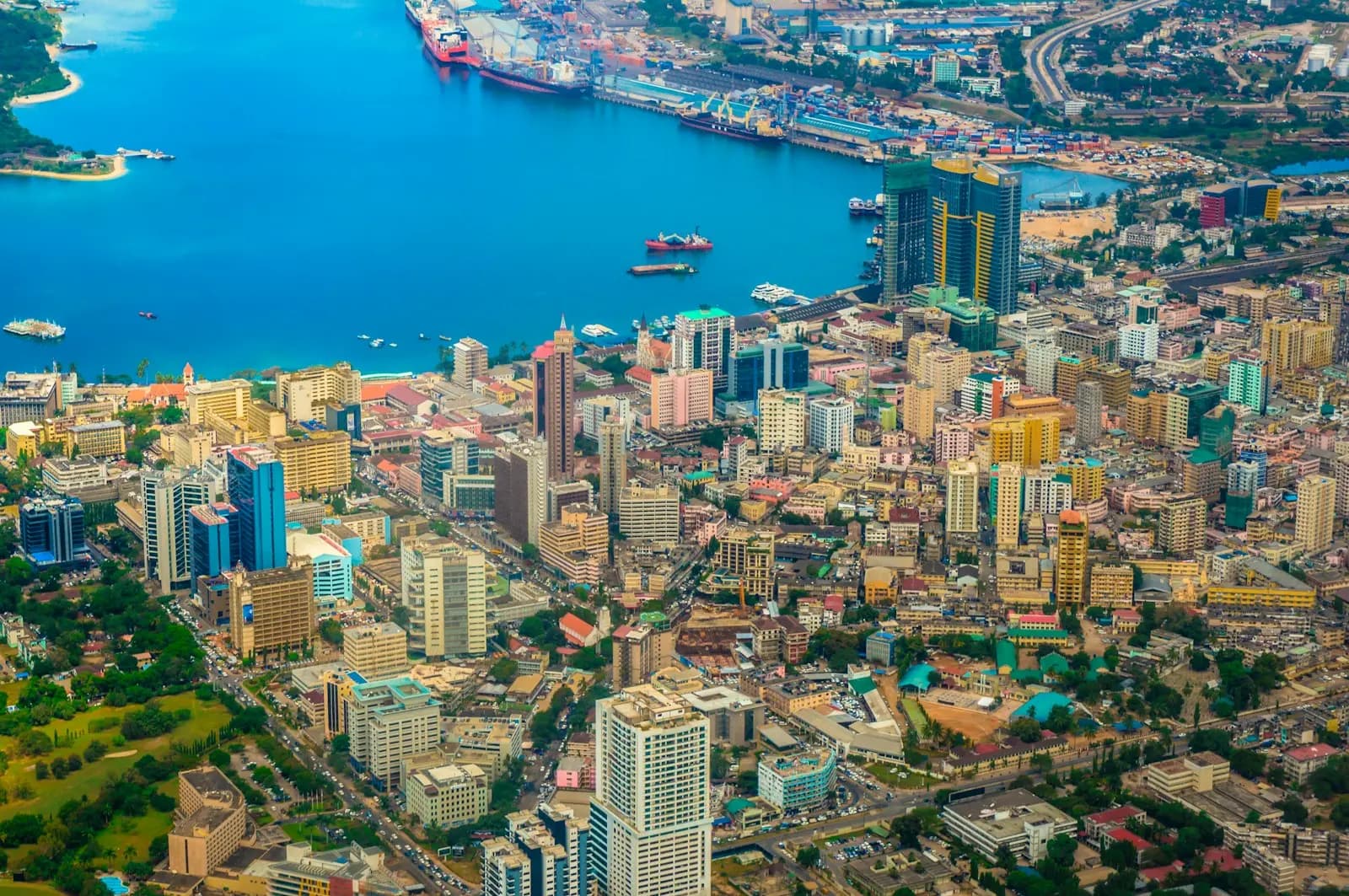
Swahili Knits manufactures in Dar es Salaam — sourcing, cutting, sewing, printing and embroidery under one roof, with a seven day production lead time from an approved sample.