GSM stands for grams per square metre. It is the weight of the fabric, and it is the most useful single number on a t-shirt specification because almost everything a buyer cares about follows from it — how the shirt drapes, how opaque it is, how it takes ink, how long it survives, and what it costs.
Most buyers arrive with a feel in mind rather than a number. This is the translation.
What each weight actually feels like
| Weight | Feel | Best for |
|---|---|---|
| 140 GSM | Light, slightly translucent in pale colours, cool to wear | Promotional runs, giveaways, hot-climate events |
| 160 GSM | The standard tee. Opaque, holds shape, unremarkable in a good way | Corporate uniforms, campaigns, general purpose |
| 180 GSM | Noticeably substantial, sits away from the body, feels considered | Retail brands, premium merchandise |
| 200+ GSM | Heavyweight. Structured, boxy, expensive-feeling | Streetwear, oversized fits, high-end drops |
Weight is not the same as quality
This is the most common misconception we correct. A 200 GSM shirt made from coarse carded cotton will feel worse than a 160 GSM shirt made from combed ring-spun yarn. Weight tells you how much fabric there is. Yarn quality tells you what that fabric is like to wear.
Combed cotton has had the short fibres removed, so the yarn is smoother and pills less. Ring-spun yarn is twisted more finely, so the surface is softer and takes print more cleanly. If you are choosing between a heavier carded shirt and a lighter combed one at the same price, the lighter combed shirt is usually the better garment.
Weight tells you how much fabric there is. Yarn quality tells you what it is like to wear.
How weight affects printing
Heavier fabric is a better print surface. It is more stable under the squeegee, so registration holds on multi-colour designs, and the ink sits into a denser surface rather than sinking through it. On a 140 GSM tee a large solid print can stiffen the whole panel and will show through slightly from the inside. On a 180 GSM tee the same print reads richer and the hand feel stays soft.
If your design is a small one-colour chest logo, weight barely matters. If it is a large multi-colour back print, go heavier.
How this maps to our knitted fabrics
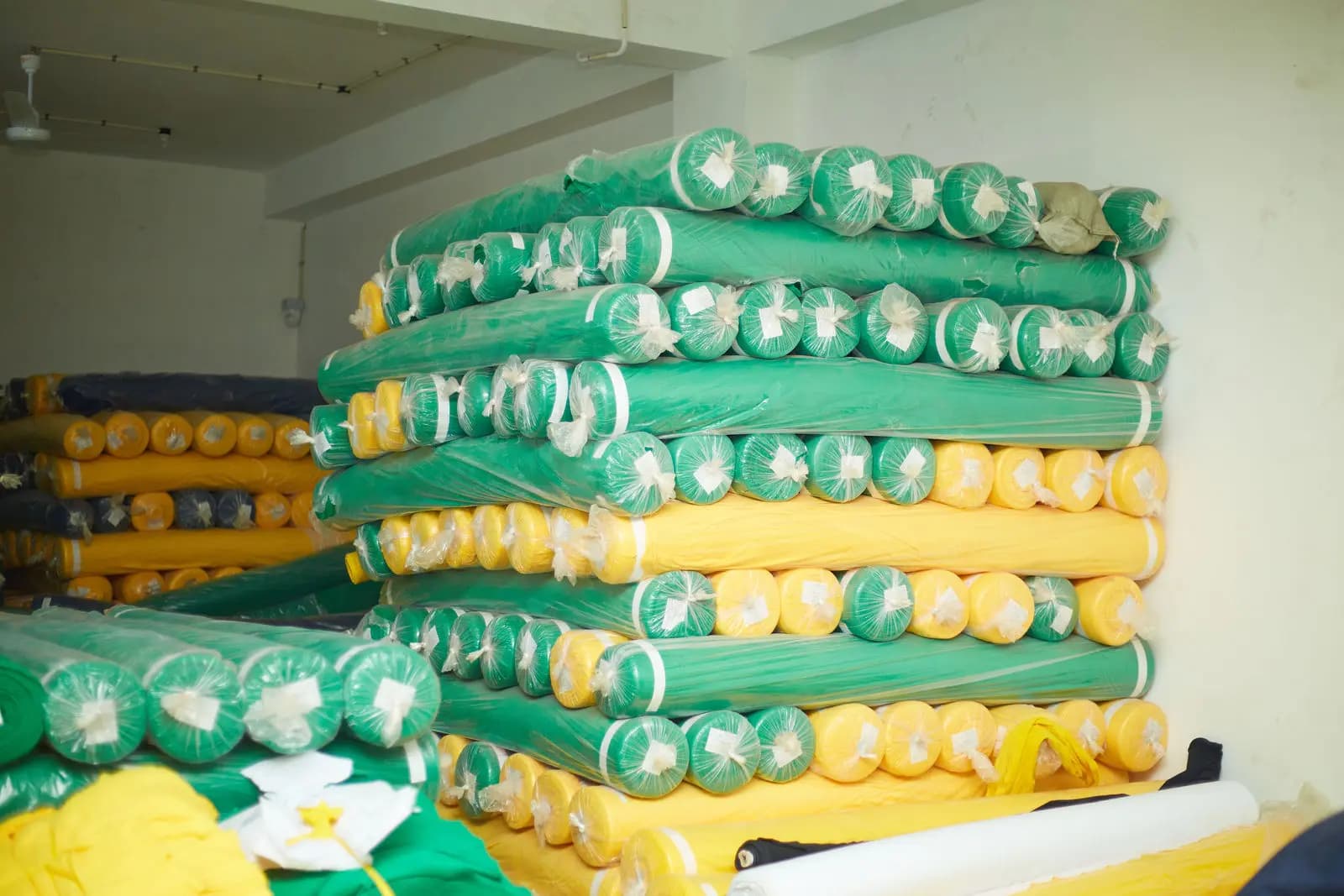
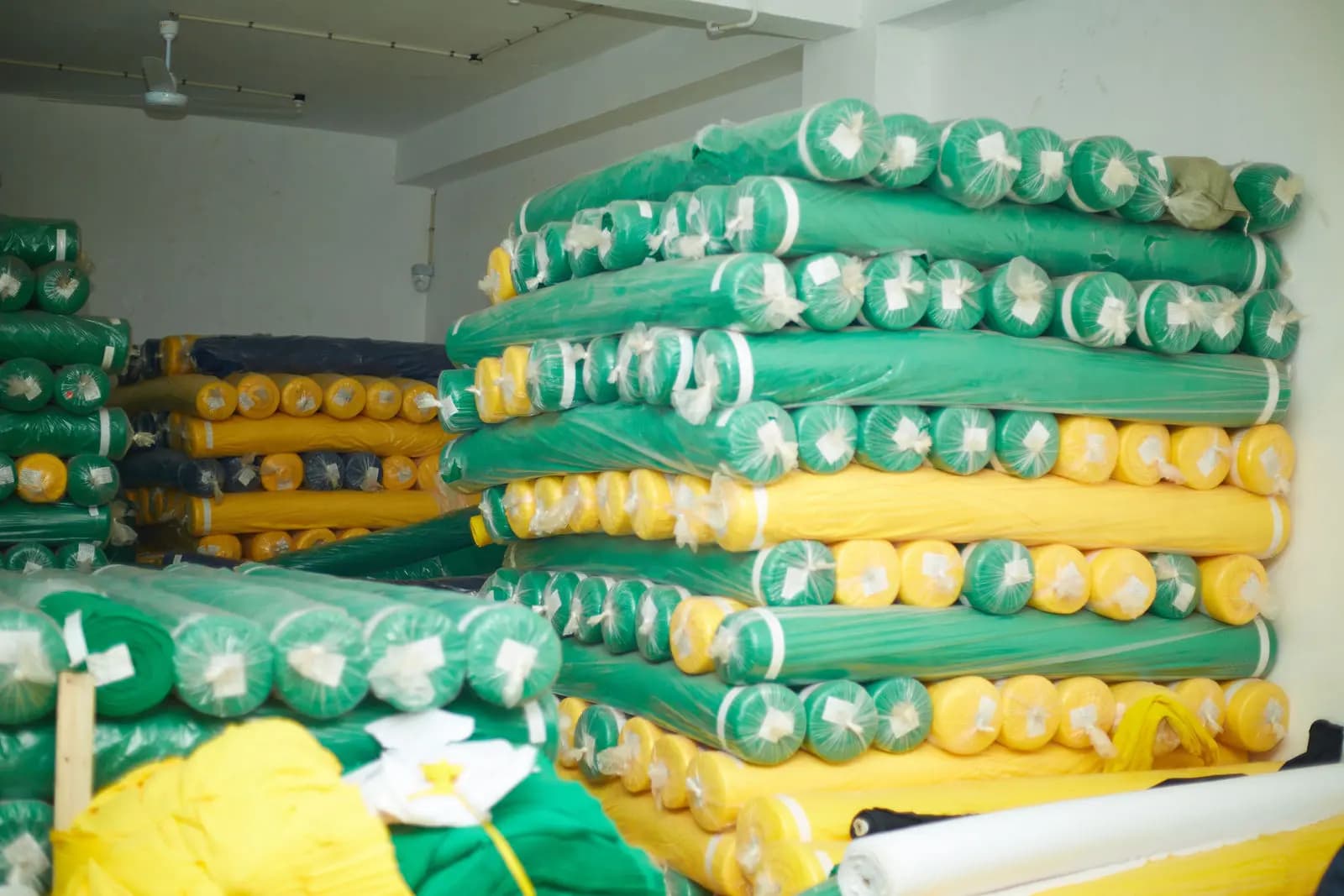
We hold seven knitted fabrics, so most briefs are answered by naming one rather than specifying from scratch:
- Champion is 160 GSM in 100% polyester, round neck. Built for campaign and event runs where cost per unit decides the order.
- Bingwa Pamba is 200 GSM in 100% cotton, round neck. The one to ask for when the garment itself is the product.
- Airtouch is 220 GSM in a 60/40 cotton and polyester cooltech interlock. Heavier, breathable, and the usual answer for all-day uniforms.
- USA Polo is 250 GSM interlock, the heaviest we hold, for front of house polos that have to survive a laundry cycle every week.
What to do next
Do not choose from a table. Order a sample in two weights and wash it three times — that is where the difference between a good specification and a bad one actually shows up. Our sample fee is deducted from your order when you place it, so the comparison costs you nothing if you go ahead.
Put this into practice
We can quote your run this week.
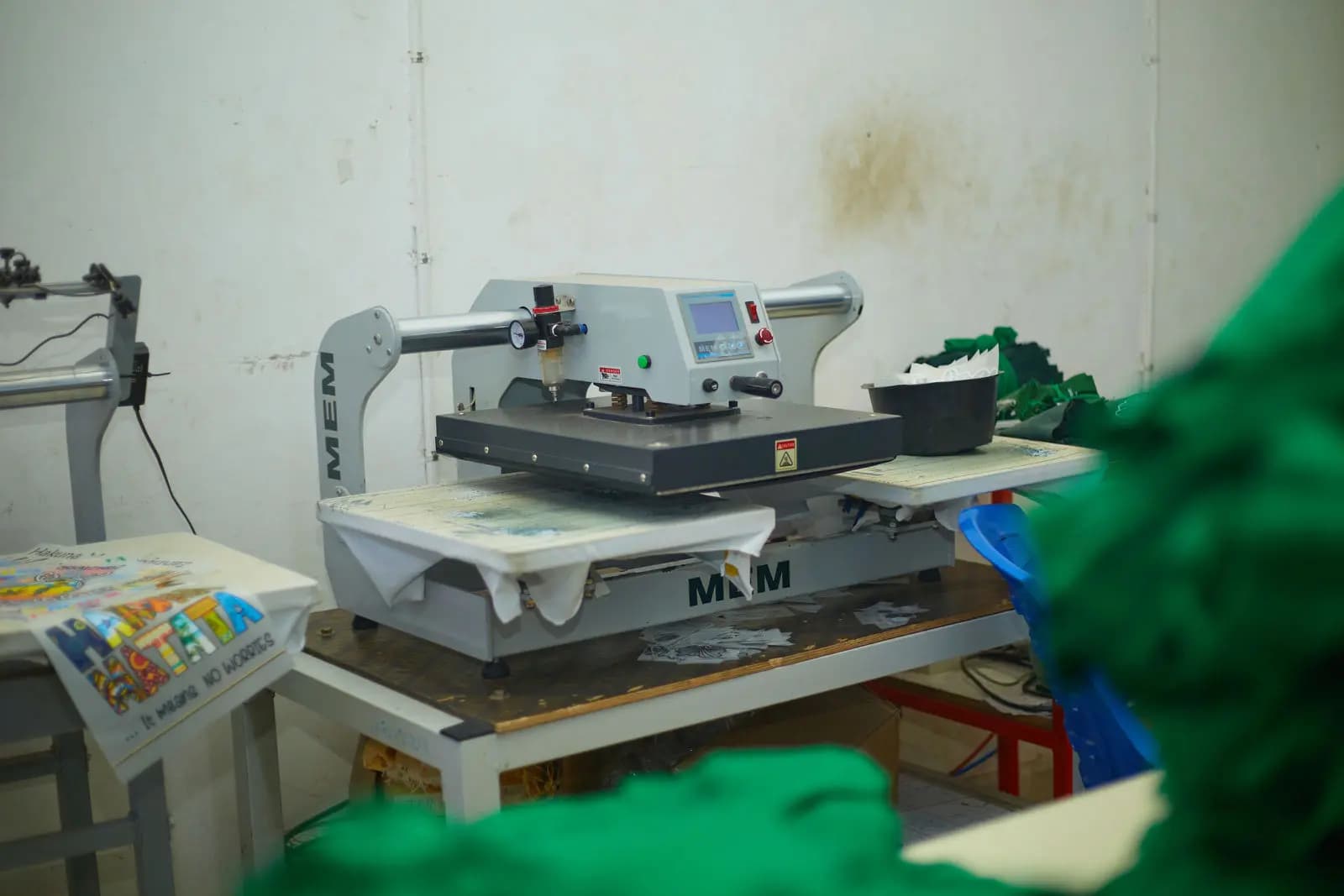
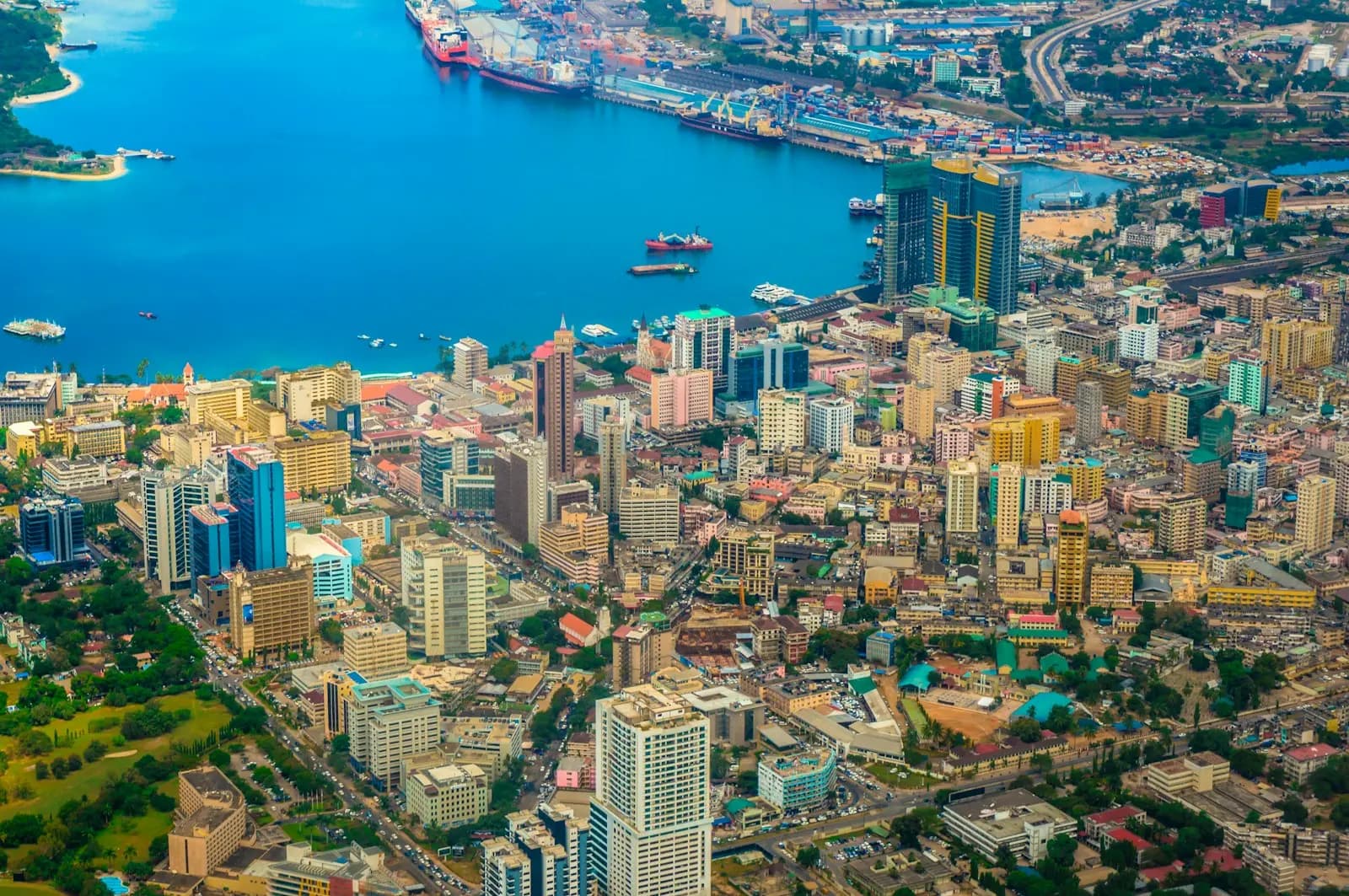
Swahili Knits manufactures in Dar es Salaam — sourcing, cutting, sewing, printing and embroidery under one roof, with a seven day production lead time from an approved sample.