We screen print and we embroider in the same building, which means we have no commercial reason to steer you toward one. So here is the genuinely neutral version of the comparison.
The short answer
| Choose | When |
|---|---|
| Screen printing | Large designs, bright colours on dark fabric, tees and hoodies, high volume, cost-sensitive runs |
| Embroidery | Small logos, polos and woven shirts, corporate uniforms, anything facing industrial laundering |
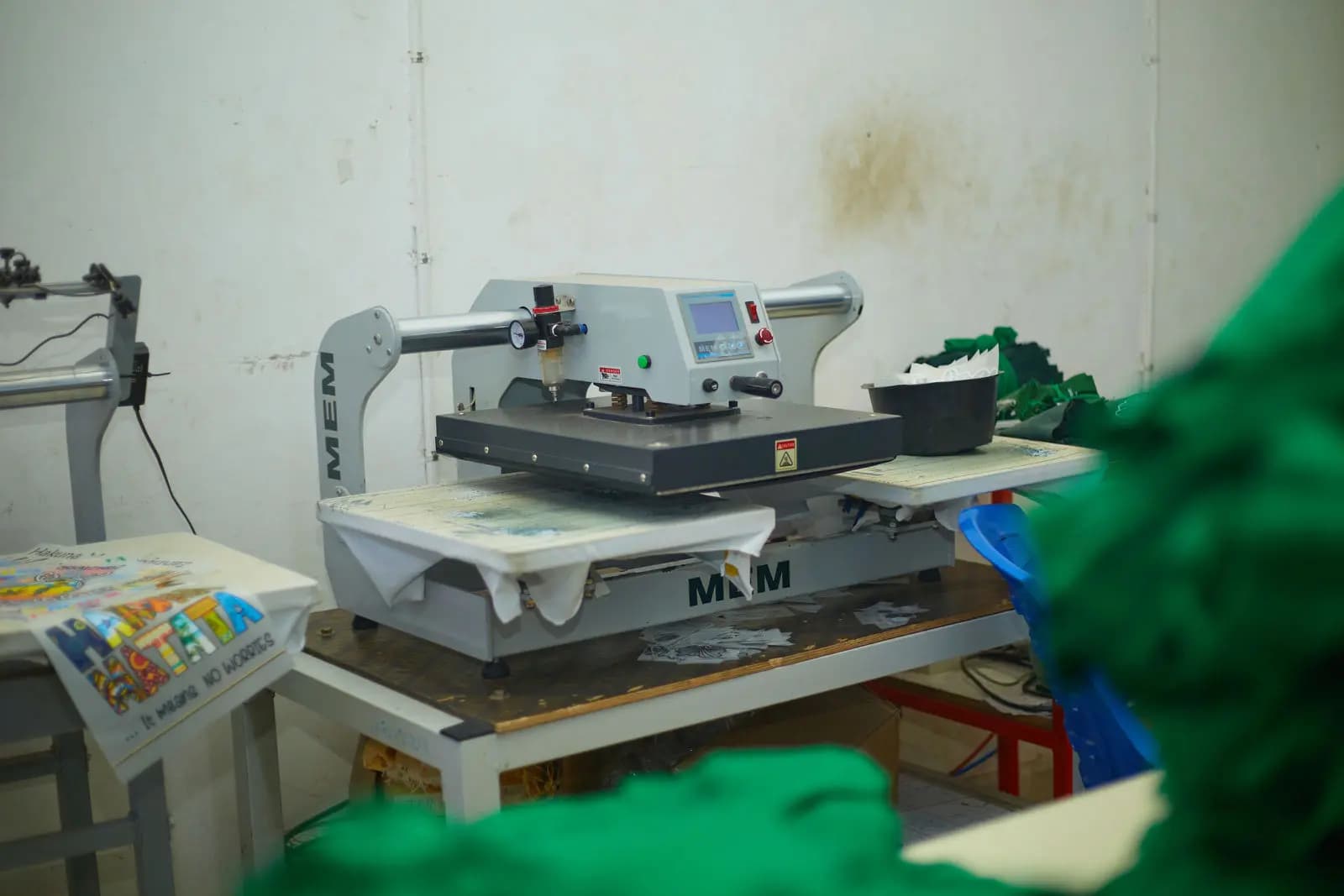
| Heat press | Short runs, full-colour photographic artwork, individual names and numbers |
Durability
Embroidery wins, and not narrowly. Stitched thread does not crack, fade or peel, and it survives commercial laundering essentially indefinitely. This is why hotels, banks and airlines embroider — a uniform is washed hot several hundred times over its life and a print will not stay presentable through that.
A good screen print is durable too. Plastisol ink properly cured will outlast the garment in domestic washing. But it degrades gradually — a slight softening of edges, then fine cracking on heavy solids — and once it starts, the garment looks worn out even if the fabric is fine.
Cost, and how it moves with volume
This is where the two swap places. Screen printing has a real setup cost — artwork separation, one screen per colour — but the cost per unit afterwards is very low. Embroidery has a small one-off digitising cost and then a per-unit cost driven by stitch count, which does not fall much with volume.
So a small chest logo on 40 polos is cheaper embroidered. A three-colour back print on 2,000 tees is dramatically cheaper printed. The crossover moves with design size, and a large embroidered design gets expensive fast because stitch count is what you are paying for.
What the artwork allows
Screen printing handles large areas, flat solid colour and fine line work well. Every colour is a separate screen and a separate pass, so cost scales with colour count. Photographic images and smooth gradients are difficult — that is heat press territory.
Embroidery is a thread simulation of your logo, not a reproduction of it. Text below about 5mm cap height turns illegible, fine gradients are impossible, and very detailed marks need simplifying. If your logo has small type or a delicate illustrative element, expect to approve a slightly redrawn version. We digitise in house and stitch a sample on your production fabric so you see exactly what it becomes before bulk.
Embroidery is a thread interpretation of your logo, not a copy. Approve the stitch-out, not the artwork.
What the garment allows
Fabric decides more than people expect. Pique polos and woven shirts are stable and embroider beautifully. Lightweight jersey needs backing and careful density or the mark will pucker. Heavy fleece takes large-format print exceptionally well because the surface is dense enough to hold ink richly.
On performance and waterproof fabrics, embroidery perforates the material — relevant if the garment is meant to keep water out.
What we usually recommend
- Corporate uniform polos and shirts: embroidery, every time.
- Event and campaign tees at volume: screen printing.
- Retail merchandise with a large graphic: screen printing, water-based ink on a premium blank.
- Names, numbers and small personalised runs: heat press.
- Workwear: embroidery for the company mark, heavy-duty transfer for large safety text.
And in plenty of programmes the answer is both — an embroidered chest mark with a printed back panel is a common and sensible combination.
Put this into practice
We can quote your run this week.
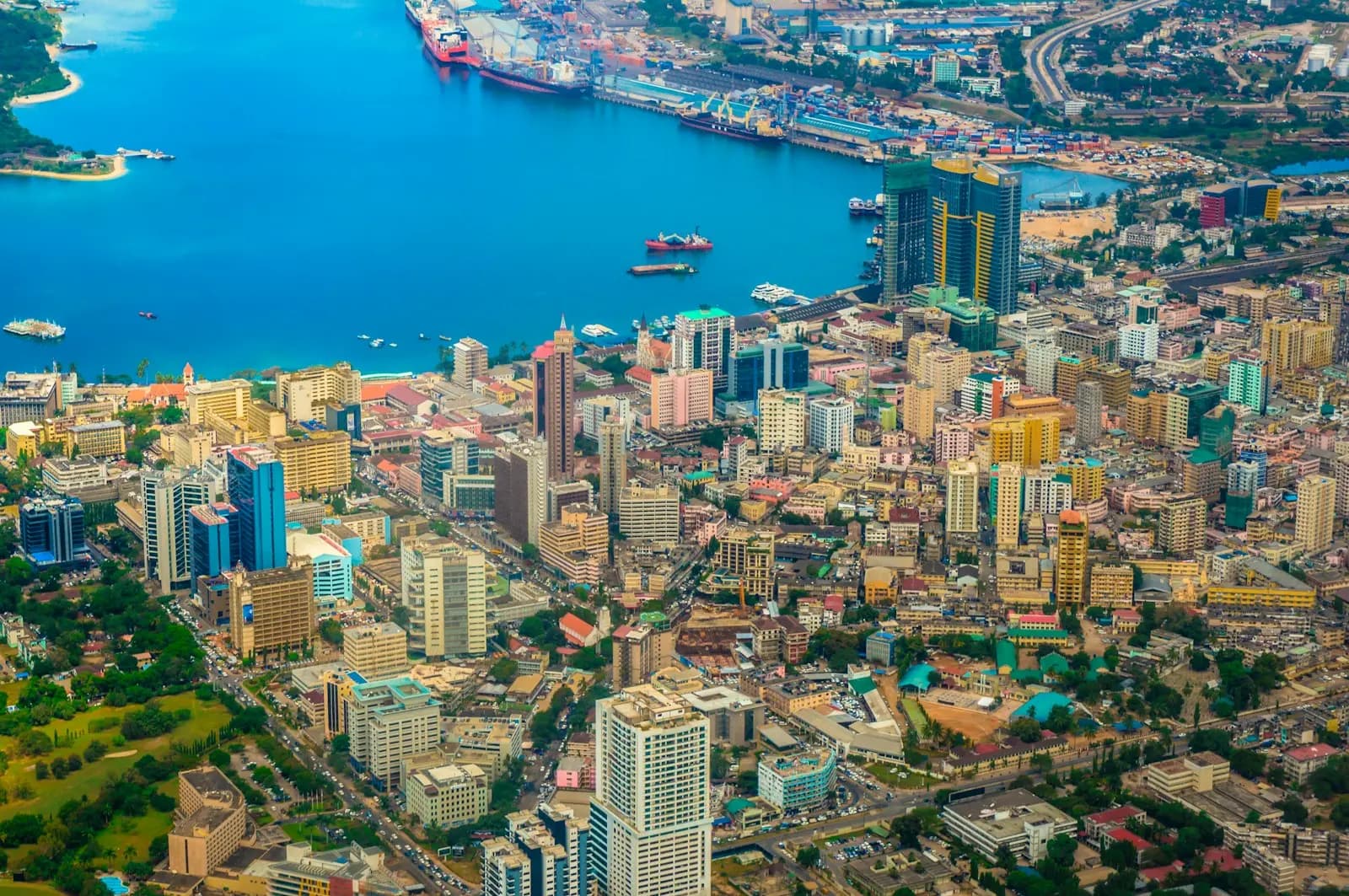
Swahili Knits manufactures in Dar es Salaam — sourcing, cutting, sewing, printing and embroidery under one roof, with a seven day production lead time from an approved sample.