Most uniform programmes look fine on rollout day. The failure happens at the first reorder: new staff receive shirts in a navy that is visibly not the navy everyone else is wearing, the fit has drifted, and the logo sits four millimetres lower. Now half your team looks like it works somewhere else.
This is preventable, and almost all of the prevention happens before the first order ships.
1. Fix the colour to a reference, not a description
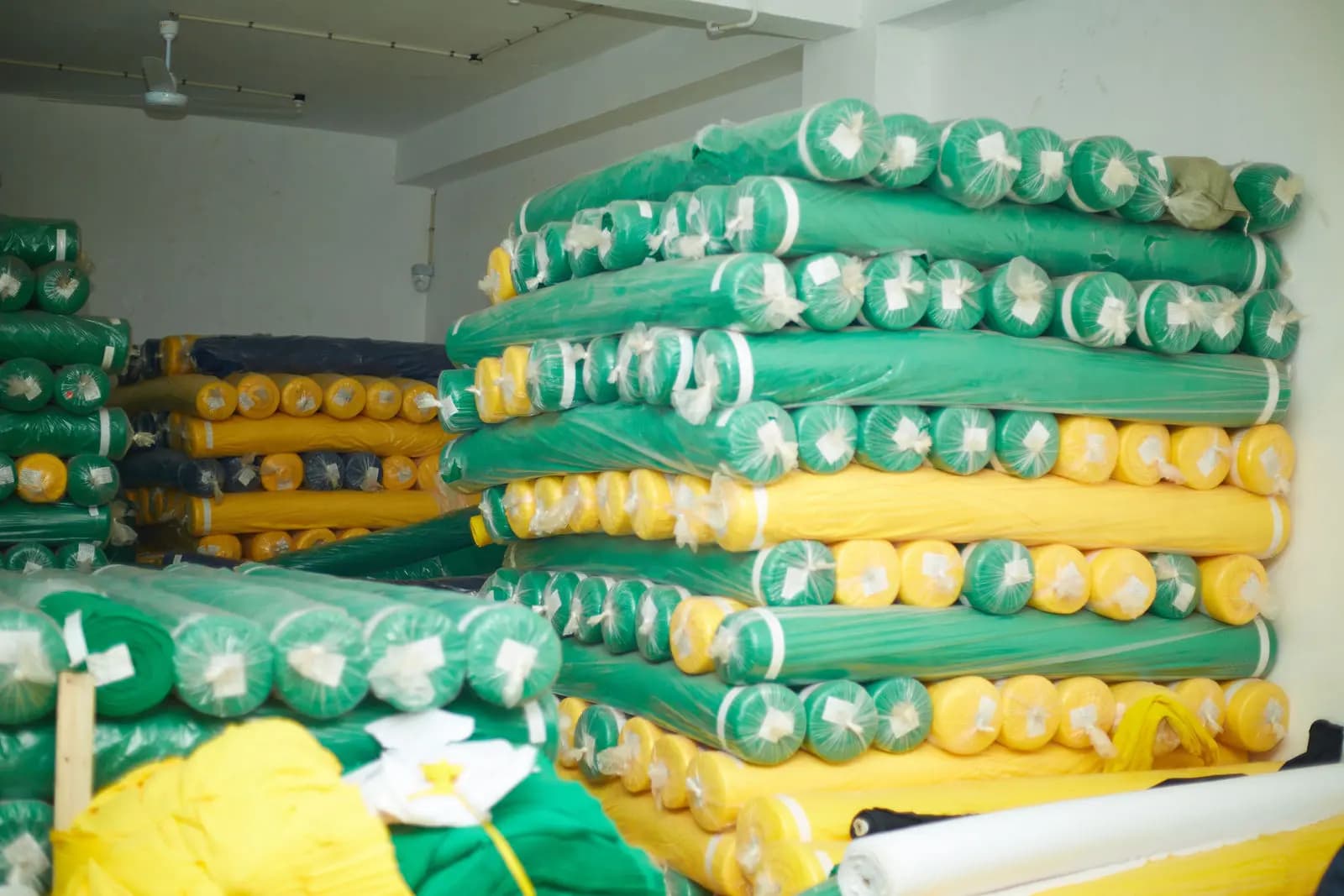
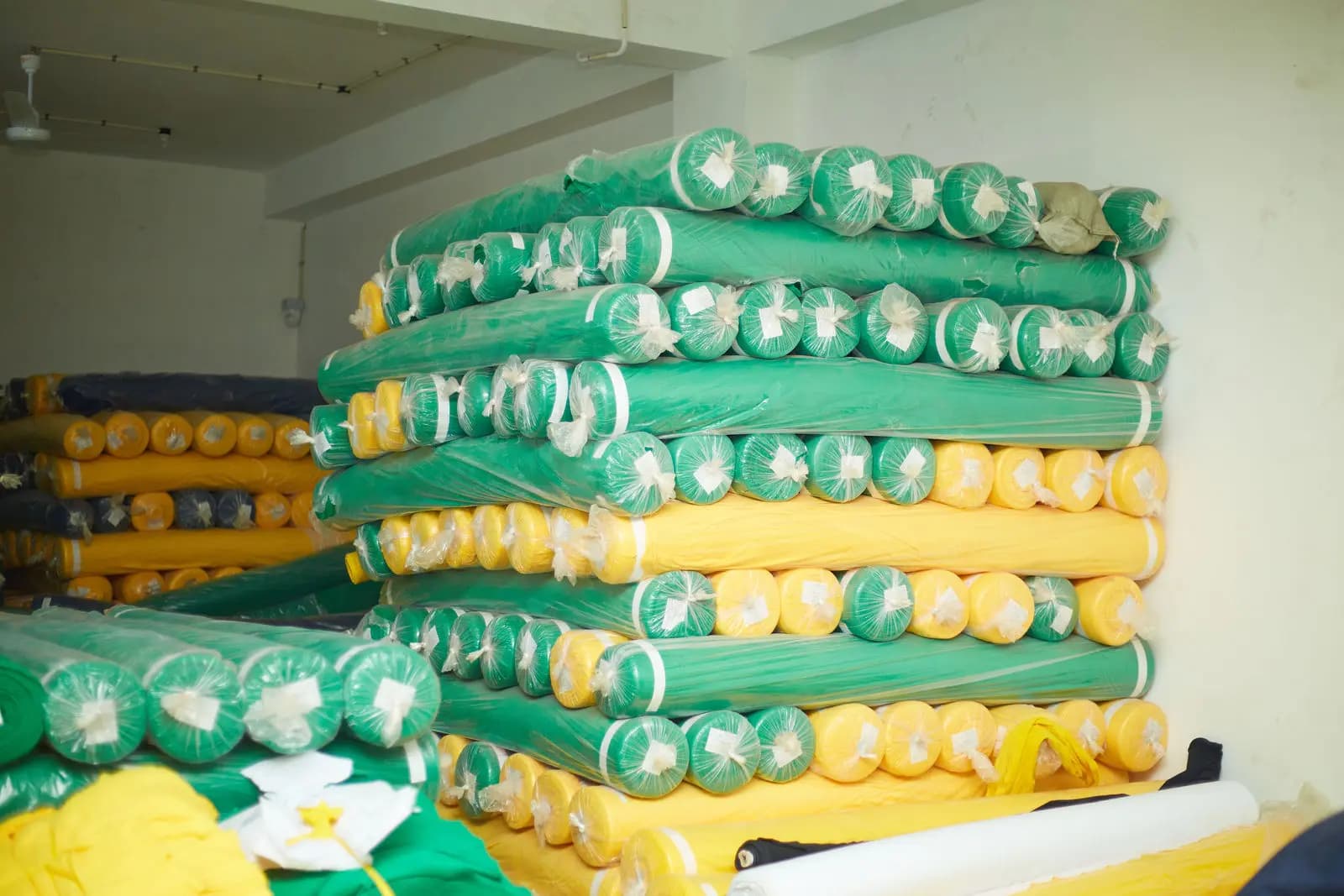
“Company navy” is not a specification. A Pantone reference is. Fabric is dyed in lots and lots vary slightly, so the only way to hold a colour across time is to dye against a recorded reference and keep a physical approved swatch on file at both ends.
We record fabric, thread and Pantone references against your account and retain your approved sample. When you reorder, we match to that, not to a memory of it.
2. Do a sizing set before bulk
Send a size set out to be worn, not measured on a table. Ten minutes of actual fitting across a representative group of your staff will surface every problem worth knowing about — sleeves too tight on field teams, womens blocks needed rather than resized mens patterns, one department that needs tall sizes.
This is the single highest-return step in the process and the one most often skipped for time.
A size set costs you a week. Getting it wrong costs you the whole programme.
3. Use separate mens and womens blocks
A womens shirt is not a small mens shirt. Shoulder slope, chest shaping, sleeve length and body length are all different, and a resized mens pattern reads as an ill-fitting garment no matter how good the fabric is. Run both blocks. It costs a little more at pattern stage and nothing per unit.
4. Specify decoration placement in millimetres
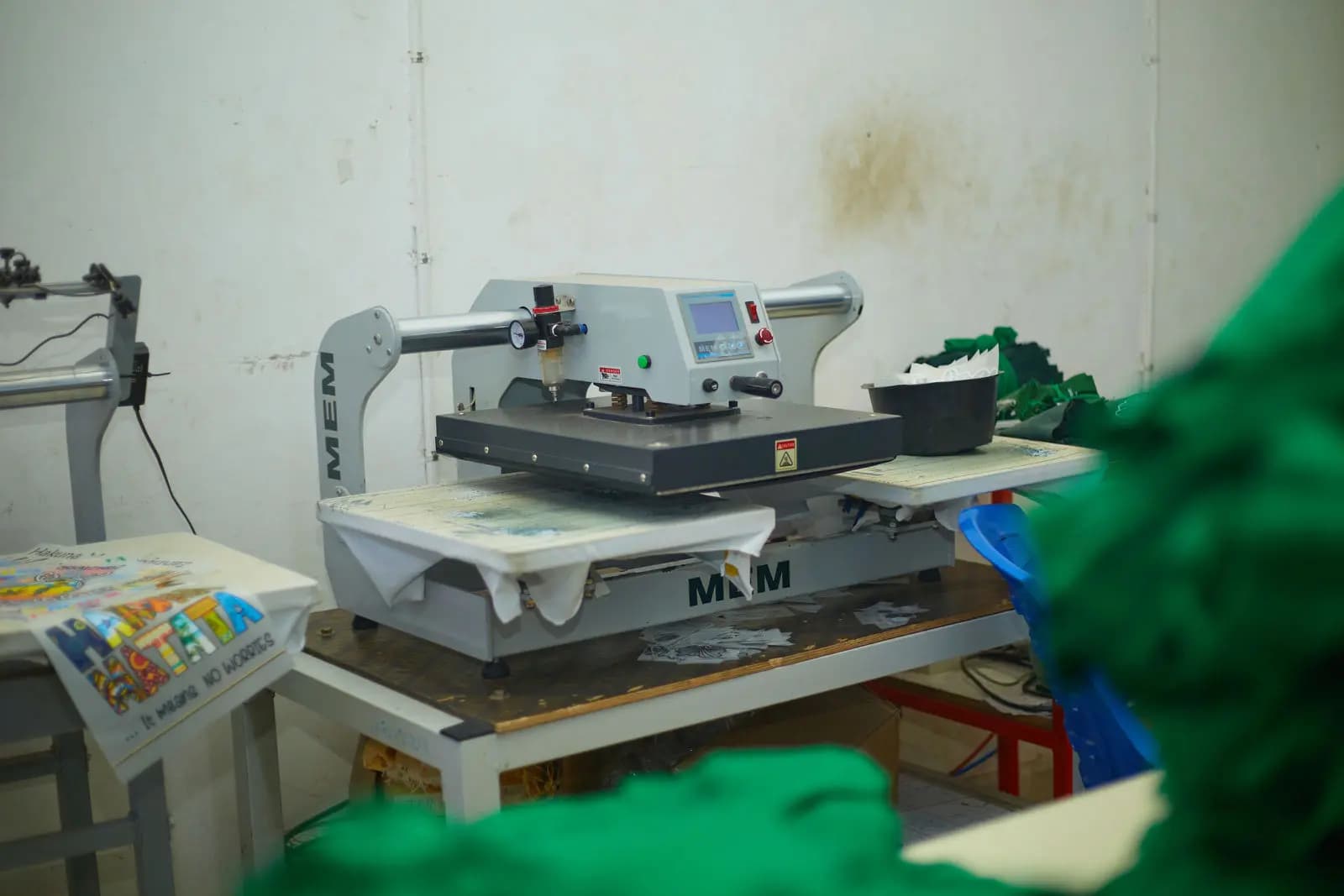
“Logo on the left chest” will drift between batches. Specify the distance from the shoulder seam and from the placket, in millimetres, and have it recorded. Same for size — a logo width, not a logo description.
5. Specify for the laundry, not the showroom
If garments go through an industrial laundry, that is the real durability test. Pre-shrunk and colourfast fabric, reinforced stress points, and embroidery rather than print on anything washed hot. Ask your laundry what temperature they run and specify to it.
6. Plan the second order into the first
Decide up front how new joiners get kitted out. Options that work:
- Order 10–15% over headcount at first production and hold it as a buffer, weighted toward your most common sizes.
- Agree a top-up cadence — a small reorder every six months rather than an emergency one every time someone starts.
- Keep the approved sample and specification on file with your supplier so a top-up is a repeat, not a new brief.
7. Make distribution someone's job
Rollout day is a logistics exercise. We can pack per site, per department or per named employee with size labelling on the polybag, which turns a sorting operation into a delivery. Specify this at order stage — it costs very little and saves a great deal of somebody's afternoon.
The short version
Record your colour references. Fit a size set on real people. Run both blocks. Specify placement numerically. Build for your laundry. Order a buffer. Have your supplier retain the approved sample. Do those seven things and your second order will match your first.
Put this into practice
We can quote your run this week.
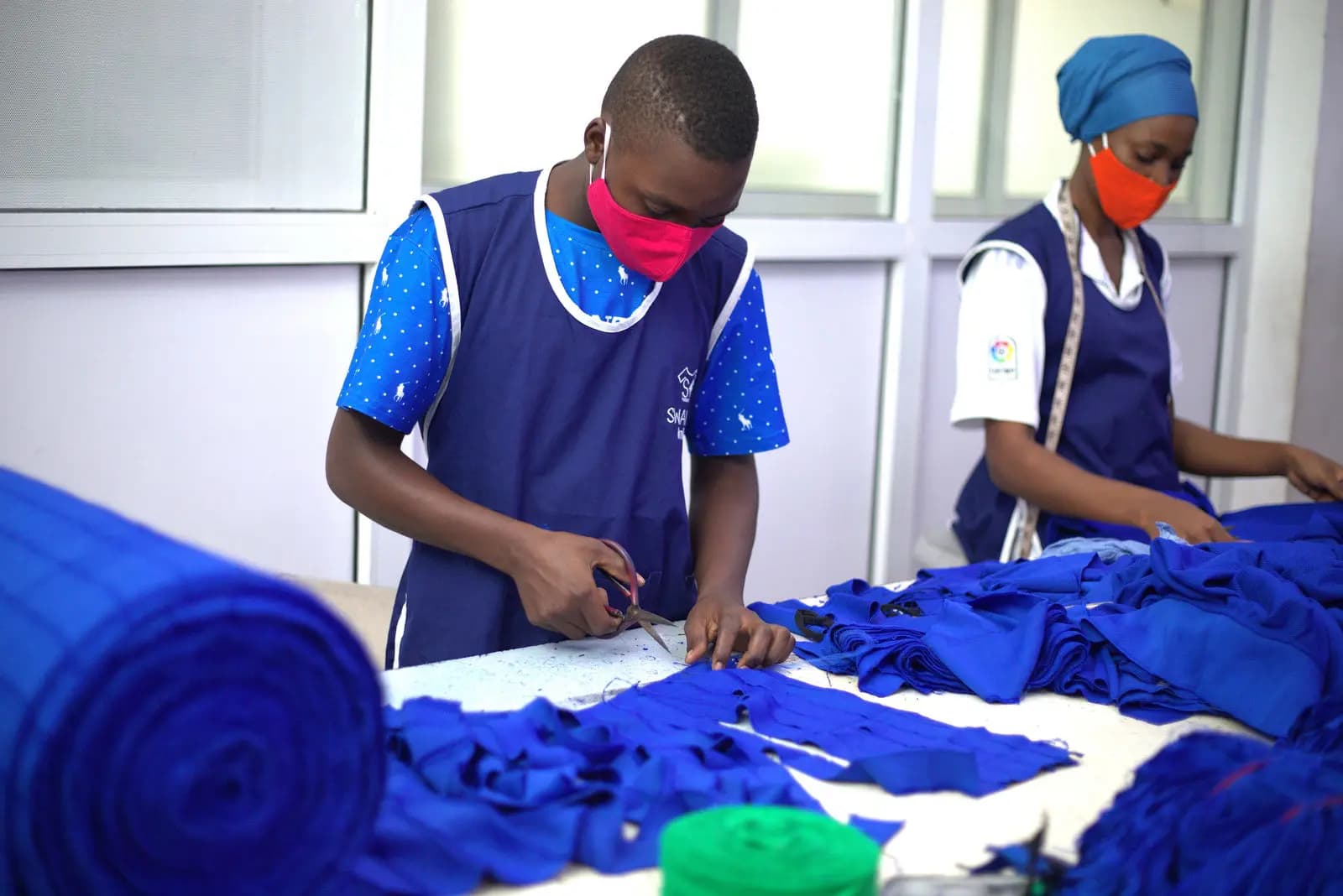
Swahili Knits manufactures in Dar es Salaam — sourcing, cutting, sewing, printing and embroidery under one roof, with a seven day production lead time from an approved sample.